วัสดุก่อสร้าง: กระเบื้องดินเผาและสังกะสีลูกฟูก
Building Materials: Clay Tiles and Corrugated Iron
เมื่อเริ่มสังเกตหลังคาและผนังของอาคารเก่าในไทย จะพบวัสดุสองชนิดที่ปรากฏซ้ำ ๆ คือกระเบื้องดินเผาและแผ่นสังกะสีลูกฟูก ทั้งสองอย่างบอกเล่าเรื่องราวการก่อสร้างที่แตกต่างกันเกือบตรงข้ามกัน
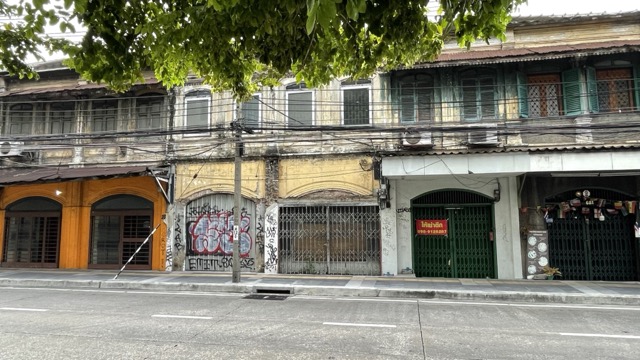 กระเบื้องหลังคาดินเผามักผลิตในท้องถิ่น เผาในเตาเผาขนาดเล็กใกล้กับสถานที่ใช้งาน มีน้ำหนักมากและมีต้นทุนการผลิตและขนส่งค่อนข้างสูงเมื่อใช้ในปริมาณมาก การใช้กระเบื้องชนิดนี้จึงมักบ่งบอกว่าต้นทุนไม่ใช่ข้อจำกัดหลักของอาคารนั้น เช่น บ้านของครอบครัวที่มีฐานะปานกลางถึงร่ำรวย หรืออาคารพาณิชย์ที่เจ้าของต้องการรูปลักษณ์ที่ดูดี ในทางกลับกัน แผ่นสังกะสีลูกฟูกจำนวนมากเดินทางมาถึงประเทศไทยในฐานะน้ำหนักถ่วงเรือสินค้าขากลับหลังจากขนข้าวหรือสินค้าส่งออกอื่น ๆ ลงแล้ว ทำให้มีราคาถูกอย่างผิดปกติเมื่อเทียบกับขนาดและความทนทาน เมื่อเข้าสู่ตลาดท้องถิ่น
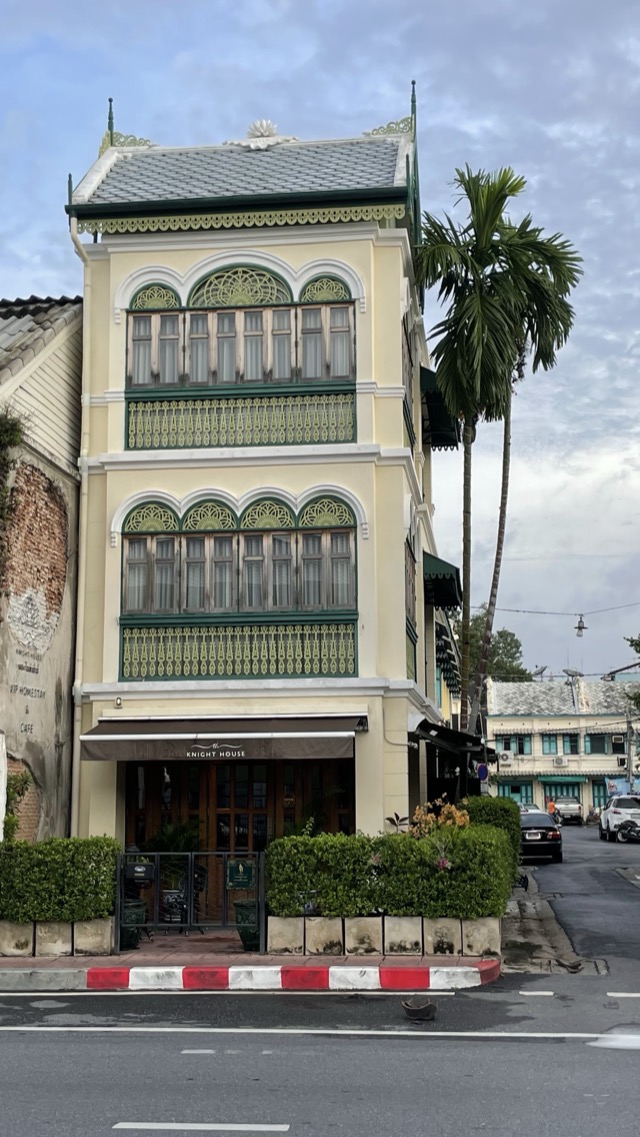 ไม่มีวัสดุใดที่ “ดีกว่า” โดยเนื้อแท้ เพียงแต่สะท้อนเงื่อนไขทางเศรษฐกิจที่ต่างกัน ตึกแถวที่มีหลังคาสังกะสีลูกฟูกและผนังปูนหรือไม้ ไม่ได้ด้อยกว่าตึกที่มุงกระเบื้องดินเผาเสมอไป แต่มักบ่งชี้ว่าอาคารนั้นสร้างภายใต้แรงกดดันด้านต้นทุนที่มากกว่า หรือสร้าง/ซ่อมแซมในภายหลังเมื่อสังกะสีกลายเป็นทางเลือกที่ถูกและเร็วกว่า การอ่านลักษณะหลังคาแบบนี้เป็นวิธีหนึ่งที่ค่อนข้างน่าเชื่อถือในการคาดเดายุคสมัยและงบประมาณเดิมของอาคาร แม้จะไม่มีบันทึกลายลักษณ์อักษรใด ๆ ก็ตาม
Two materials come up again and again once you start paying attention to roofs and walls on older Thai buildings: fired clay tiles and corrugated iron sheeting. They tell almost opposite stories about how a building came to be built the way it was.
Clay roof tiles were typically made locally, fired in small kilns close to where they’d be used. They’re heavy, relatively expensive to produce and transport in any volume, and their use often signals a building where cost wasn’t the primary constraint — a mid-tier or wealthier household, or a commercial building whose owner wanted the finished result to look a certain way. Corrugated iron sheeting is closer to the opposite case. A lot of it arrived in Thailand as ballast in the holds of cargo ships making the return trip after unloading rice or other exports, which made it unusually cheap relative to its size and durability once the exchange had settled in local markets.
Neither material is inherently “better” — they just point at different economics. A row of shophouses with a corrugated iron roof and a plaster or timber facade isn’t necessarily a lesser building than one with clay tiles; it’s more likely a building constructed under tighter cost pressure, or one built or repaired later once iron sheeting had become the cheaper, faster option. Reading a roofline this way is one of the more reliable ways to guess at a building’s era and original budget without any written record to go on.