บ้านพระประเสริฐวานิช (วังค้างคาว)
Phra Prasert Wanich House ('Bat Palace')
ภาพรวม
Overview
ถ. เชียงใหม่ ข. คลองสาน
Chiang Mai Rd, Khlong San, Bangkok
บ้านพ่อค้าก่ออิฐถือปูนสมัยรัชกาลที่ 5 ในย่านคลองสาน มีช่องเปิดโค้งและระเบียงราวลูกกรง รู้จักกันในชื่อ 'วังค้างคาว'
A Rama V–era brick-and-stucco merchant house with arched openings and balustraded verandas in the Khlong San area, nicknamed the 'Bat Palace'.
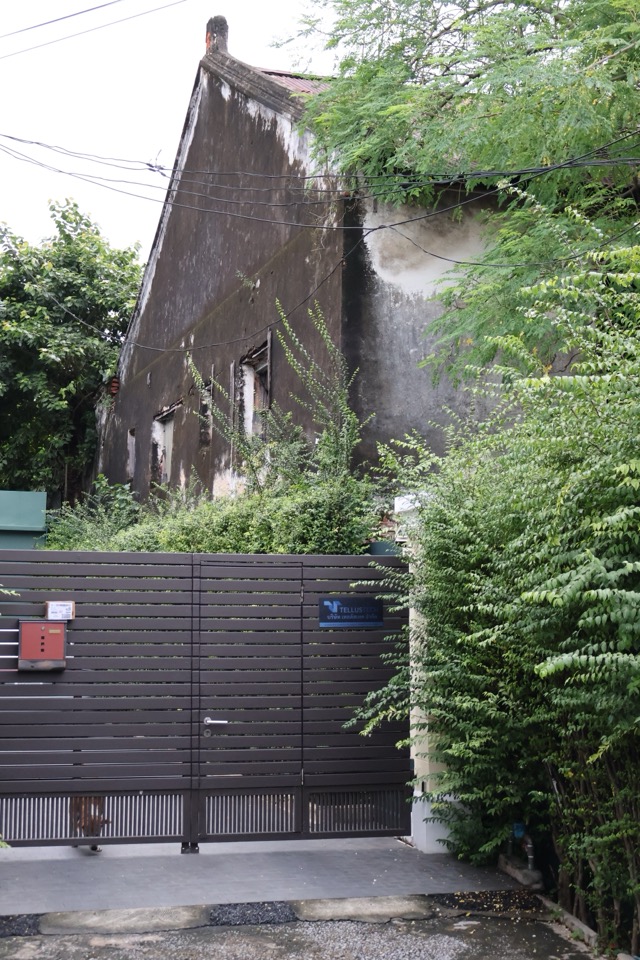
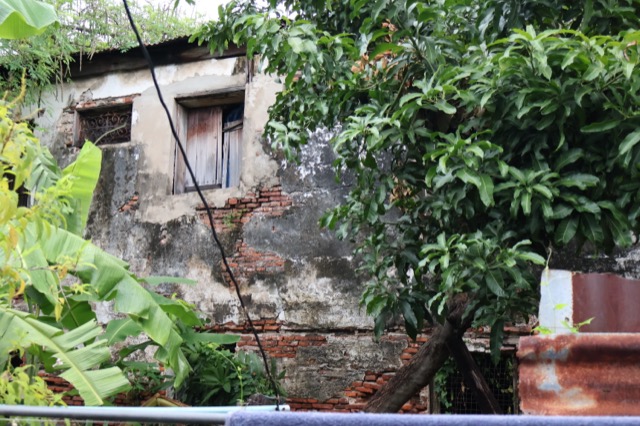
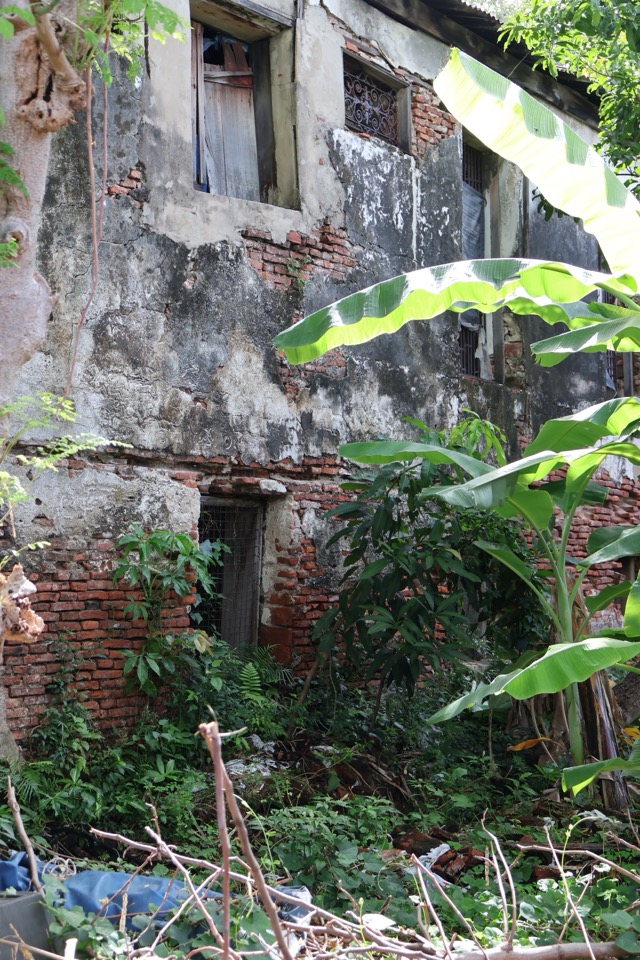
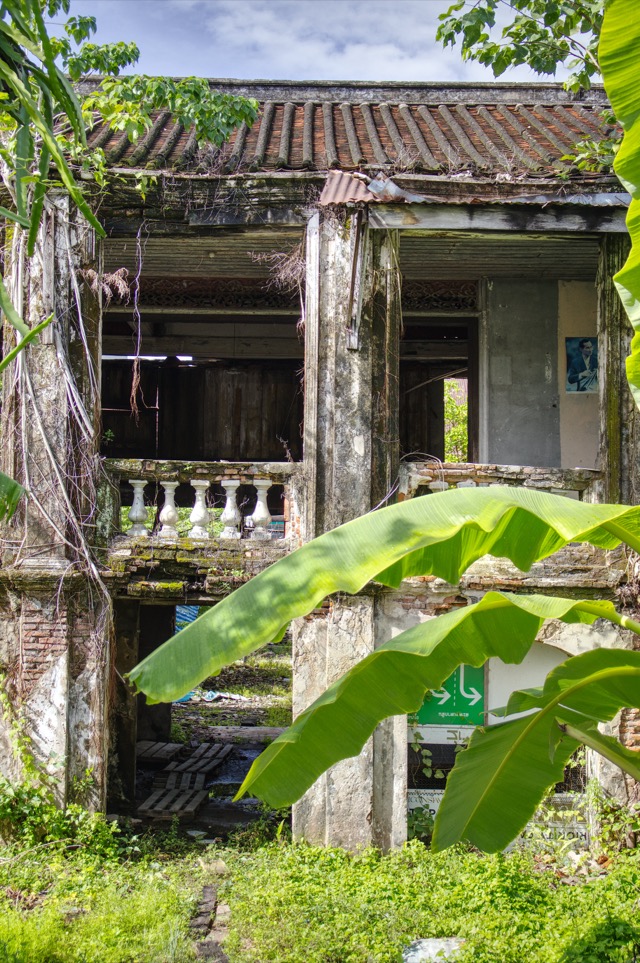
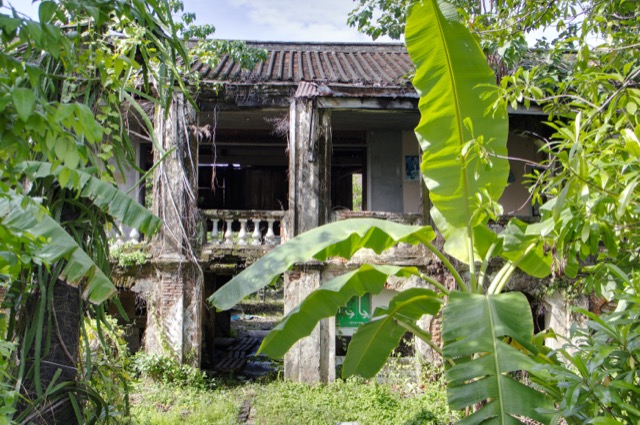
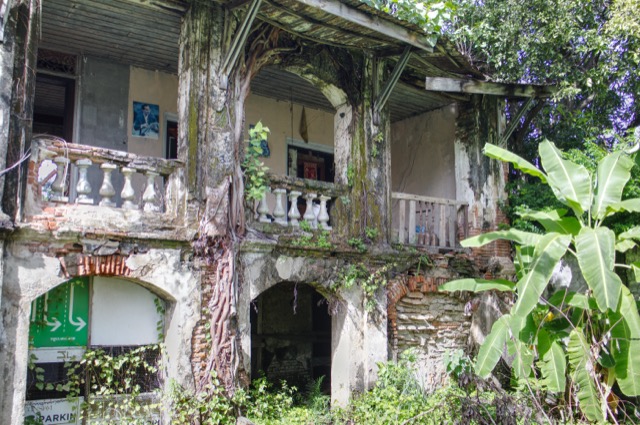
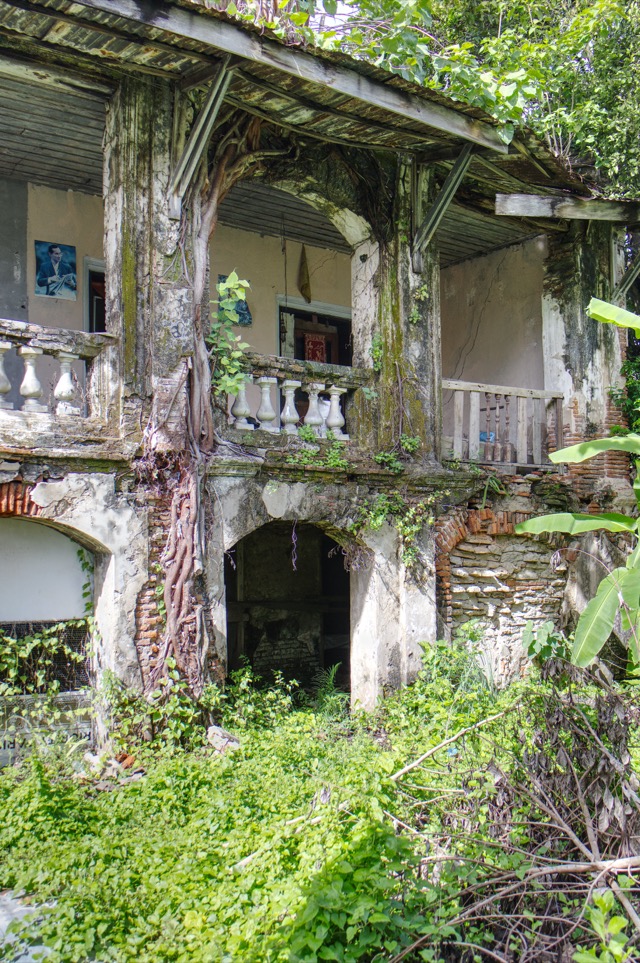
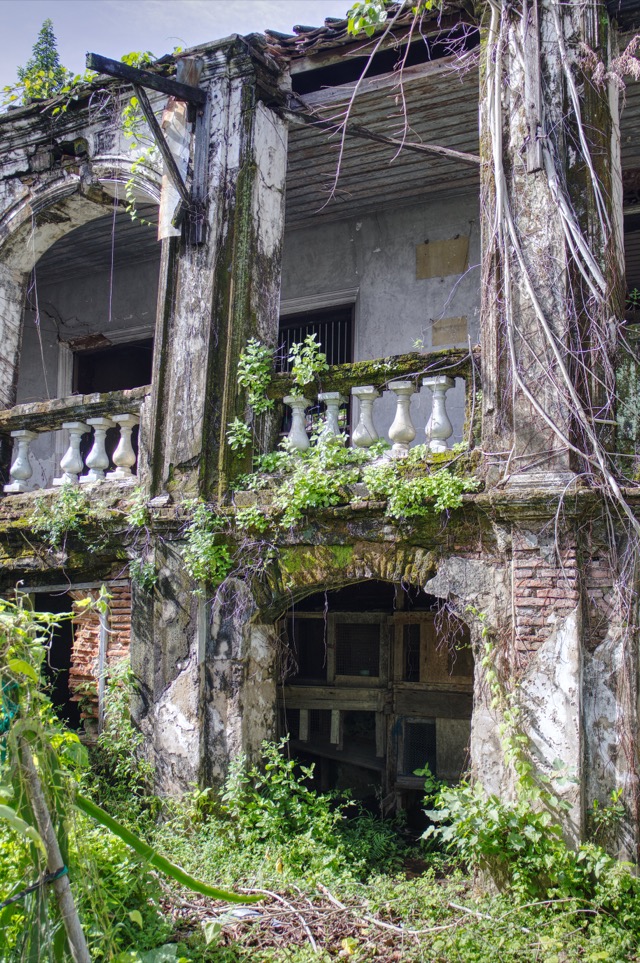
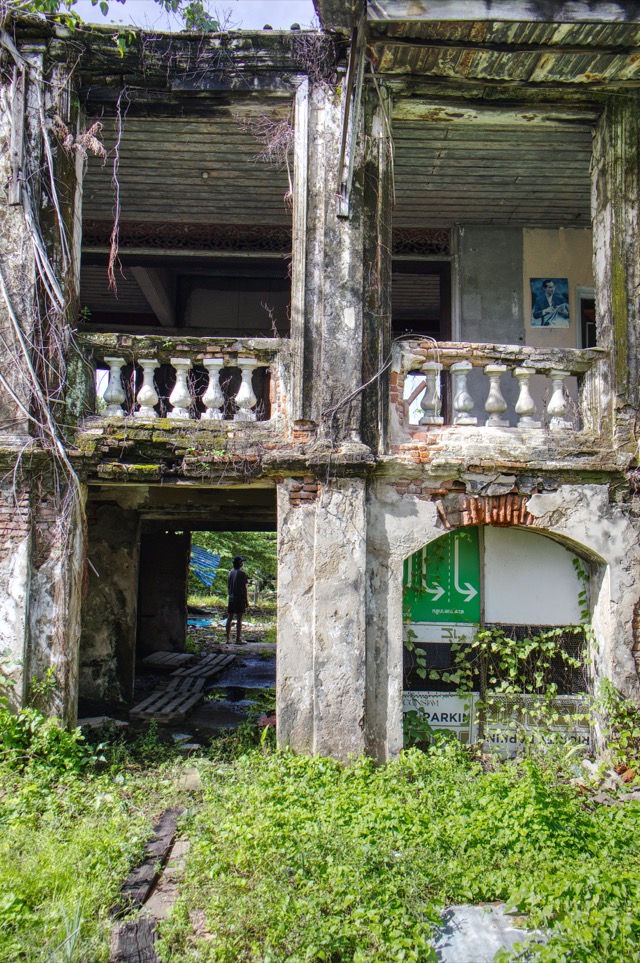
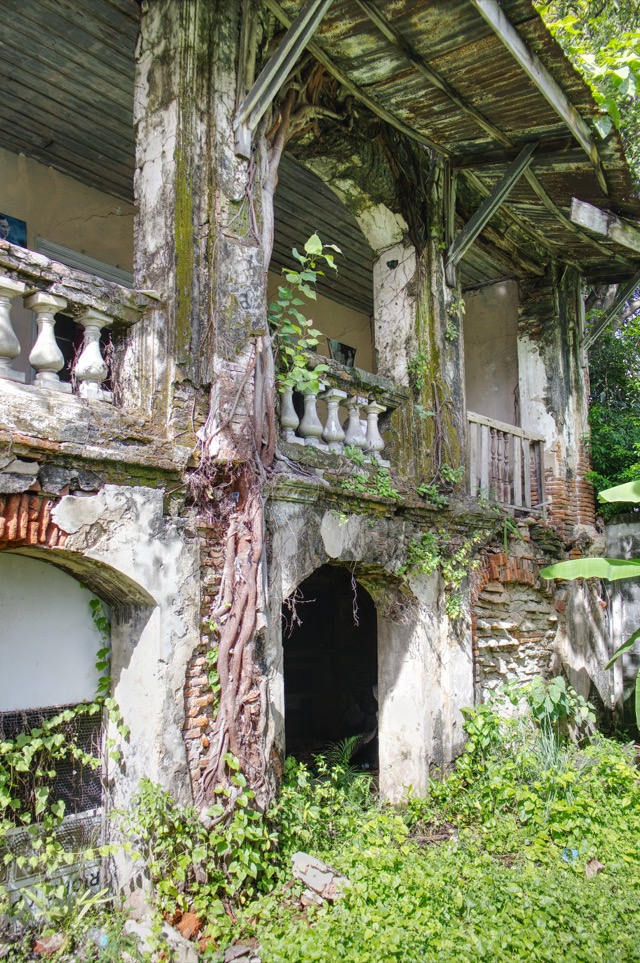
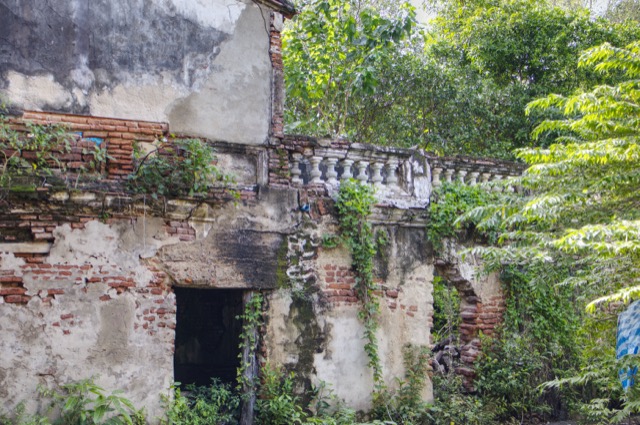
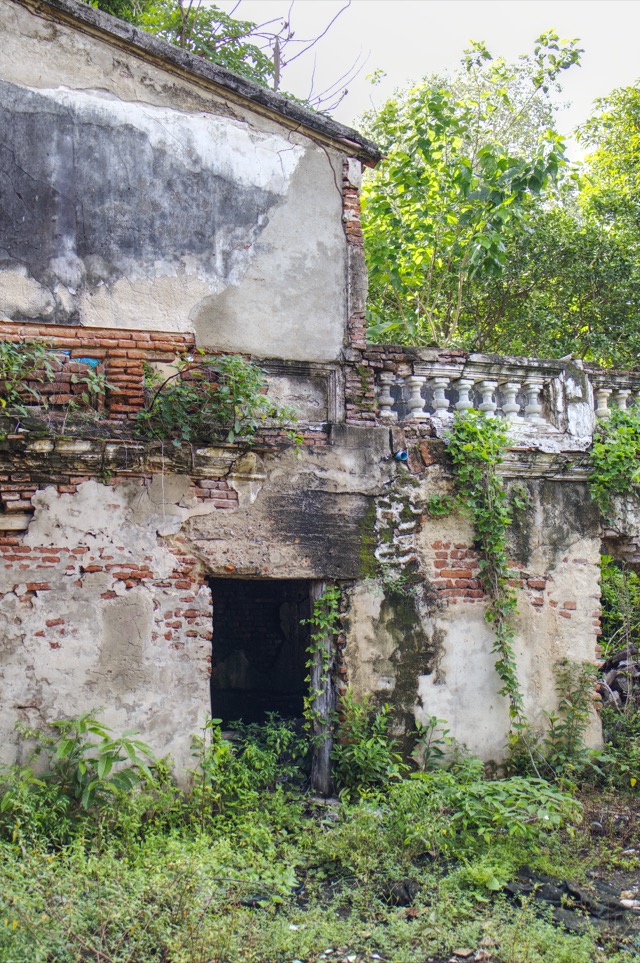
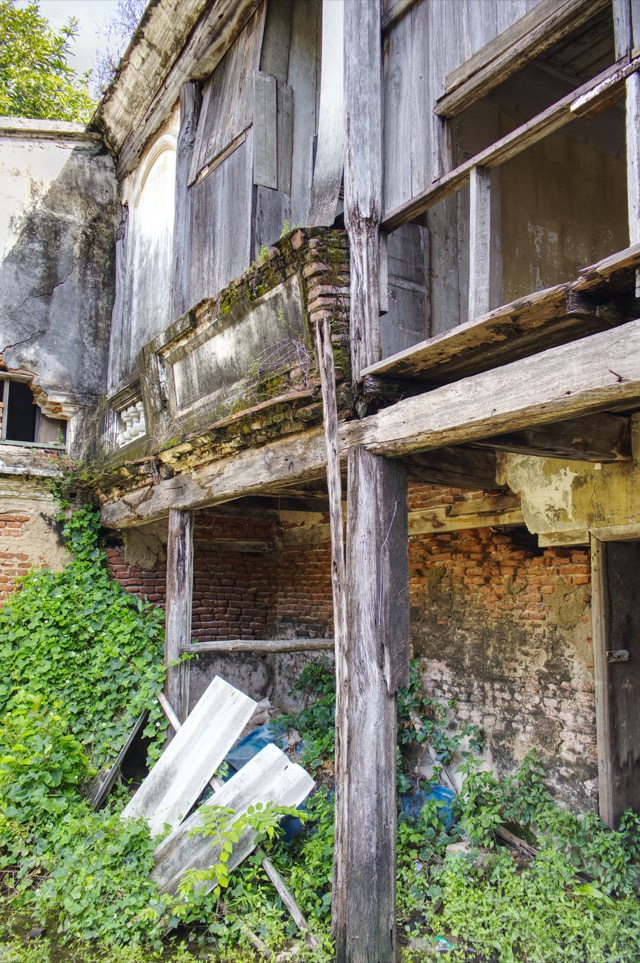
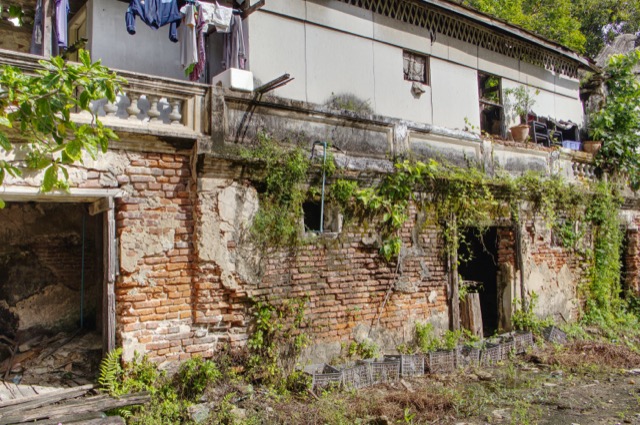
บ้านพระประเสริฐวานิชเป็นบ้านก่ออิฐถือปูนสองชั้น สร้างขึ้นในรัชสมัยพระบาทสมเด็จพระจุลจอมเกล้าเจ้าอยู่หัว รัชกาลที่ 5 (พ.ศ. 2411–2453) ผนังก่ออิฐฉาบปูน หน้าจั่วชันสูง มุงหลังคาด้วยกระเบื้องดินเผา ชั้นล่างมีช่องเปิดเป็นซุ้มโค้งก่ออิฐ ส่วนชั้นบนเป็นระเบียงเปิดโล่ง มีบานหน้าต่างไม้แบบบานเกล็ดทึบและช่องลูกกรงเหล็กดัดขนาดเล็ก
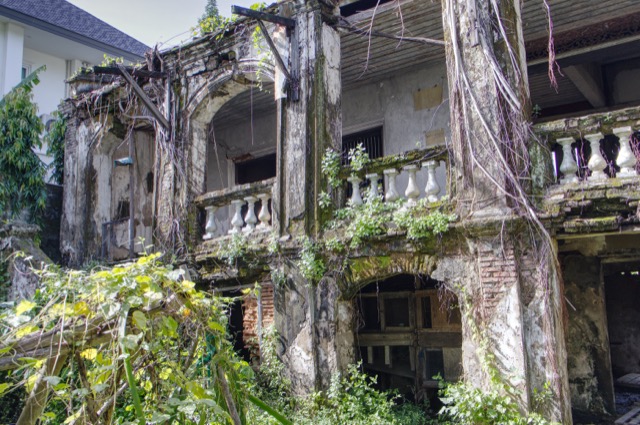
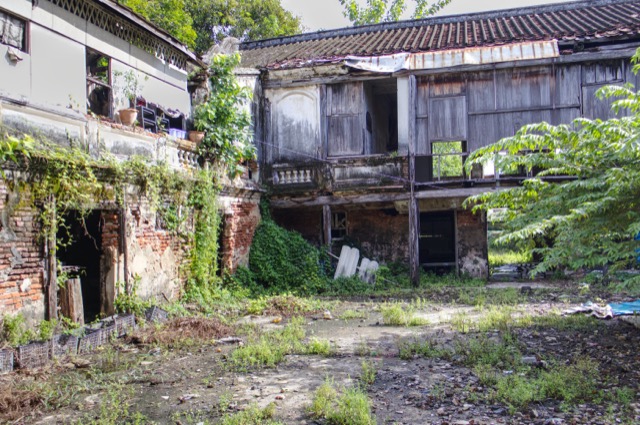
รายละเอียดที่ผสมผสานกันนี้เป็นลักษณะทั่วไปของกรุงเทพฯ ในสมัยรัชกาลที่ 5 คือรูปแบบบ้านก่ออิฐที่ได้รับอิทธิพลจีน ผสมกับองค์ประกอบที่รับมาจากตะวันตก เช่น ซุ้มโค้งและราวลูกกรงกลึงทรงคล้ายแจกัน ผังอาคารเป็นตึกสองหลังขนานกันหันหน้าออกสู่แม่น้ำ เชื่อมด้วยระเบียงรอบลานกลาง และมีพื้นที่เก็บของอยู่ใต้ตัวอาคาร
บ้านหลังนี้สร้างให้พระประเสริฐวานิช พ่อค้าเชื้อสายจีน-ไทยที่รับราชการในกรมท่าในรัชสมัยพระบาทสมเด็จพระจุลจอมเกล้าเจ้าอยู่หัว ใช้เป็นทั้งที่พักอาศัยและที่ทำการค้า โดยพื้นที่ชั้นล่างใช้เก็บสินค้า ต่อมาเป็นสำนักงานและคลังสินค้าริมแม่น้ำของบริษัทการค้า ปัจจุบันบ้านถูกทิ้งร้าง ค้างคาวอาศัยอยู่ในห้องชั้นล่างและบินออกหากินยามพลบค่ำ จึงได้ชื่อเล่นว่า “วังค้างคาว”
Phra Prasert Wanich House is a two-storey masonry house built in the reign of King Rama V (1868–1910). The walls are brick finished in lime plaster, the gable ends are steeply pitched, and the roof is covered in clay tiles. On the ground floor, openings are formed with round brick arches, while the upper floor is a veranda-style level of open bays, timber-shuttered windows and small iron-grilled openings.
The mix of details is typical of Bangkok’s Rama V period: a Chinese-influenced masonry house form, combined with Western-derived elements such as the round arches and the balustrades of turned, vase-shaped balusters. The layout is two parallel buildings facing the river, linked by a veranda around a central courtyard, with storage space beneath the building.
The house was built for Phra Prasert Wanich, a Chinese-Thai merchant who served in the Port Authority under King Chulalongkorn. It worked as both a residence and a place of business, with the ground-level storage holding merchandise, and later served as offices and a river warehouse for trading companies. The house is now abandoned, and bats roost in its lower rooms and fly out at dusk, which is how it got the nickname “Bat Palace” (Wang Khangkhao).