ตึกแถวสะพานสมมตอมรมารค
Sommot Amon Mak Bridge Shophouse
ภาพรวม
Overview
ถนนบำรุงเมือง (สะพานสมมตอมรมารค)
Bamrung Mueang Rd. (Sommot Amon Mak Bridge)
ตึกแถวจีนยุคแรกริมคลอง บนถนนบำรุงเมือง
Canal-facing early Chinese shophouse row on Bamrung Mueang Road.
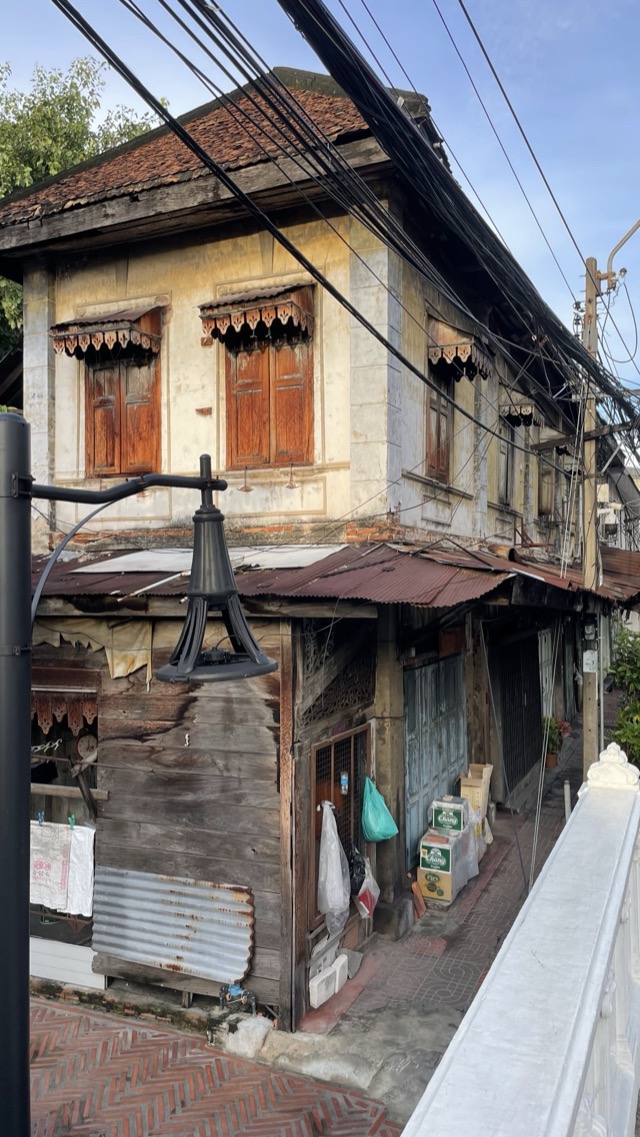
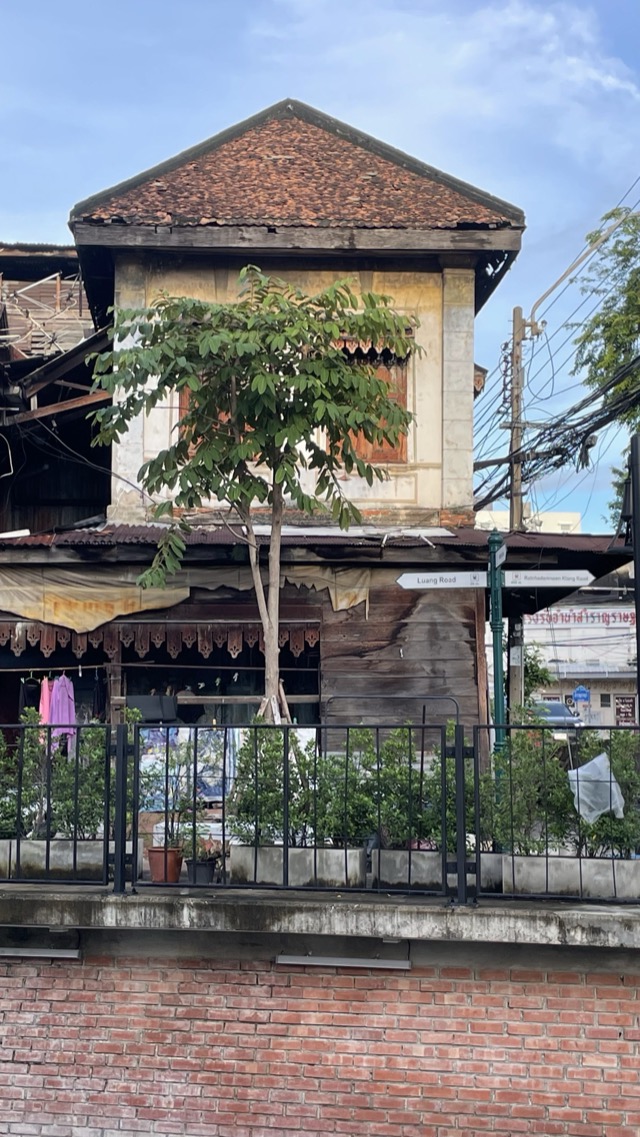
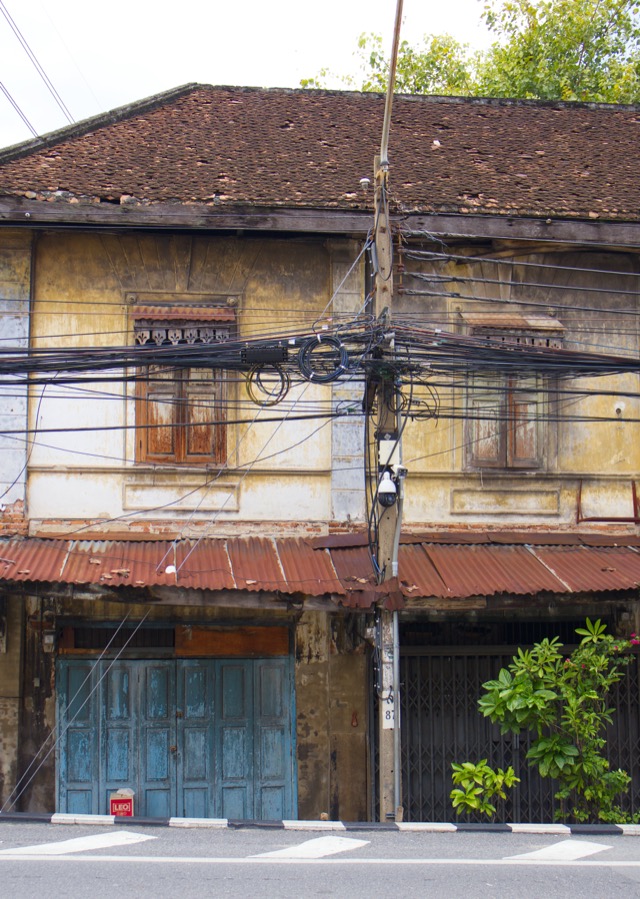
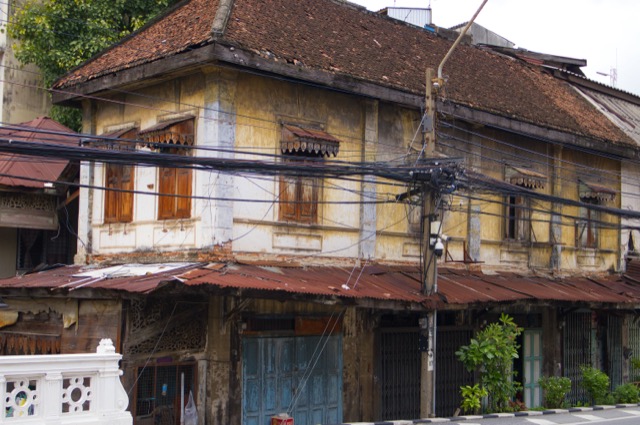
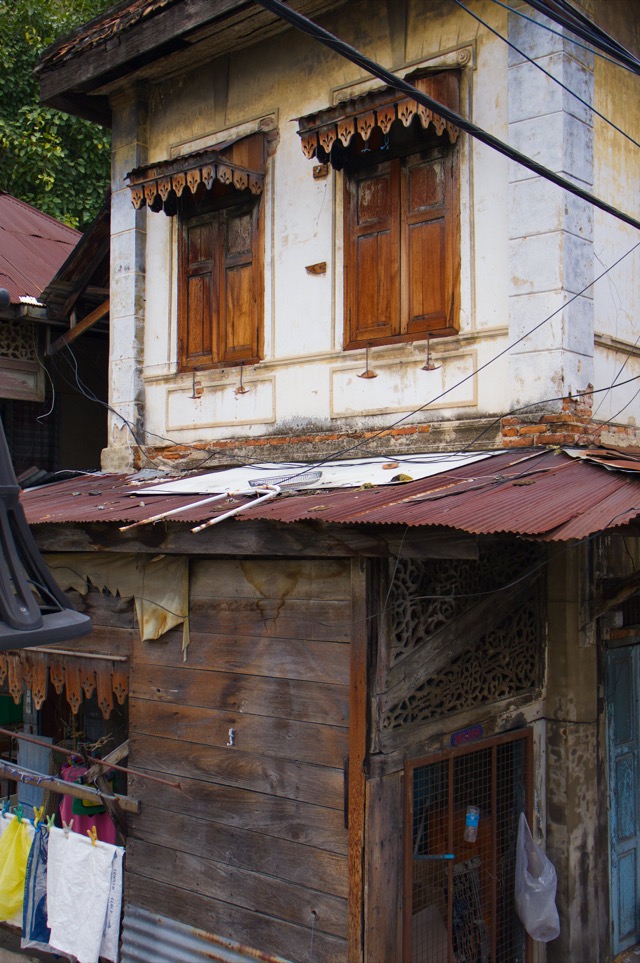
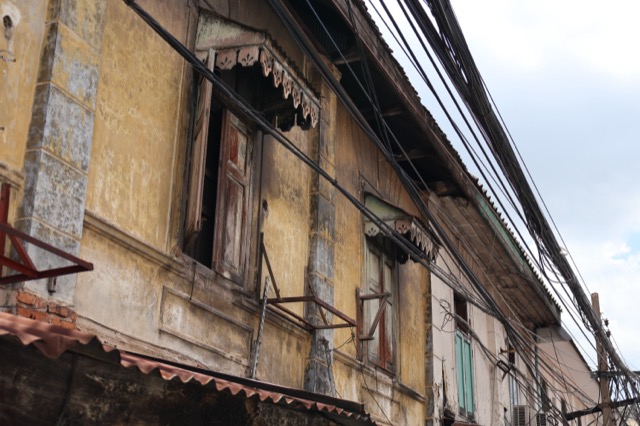
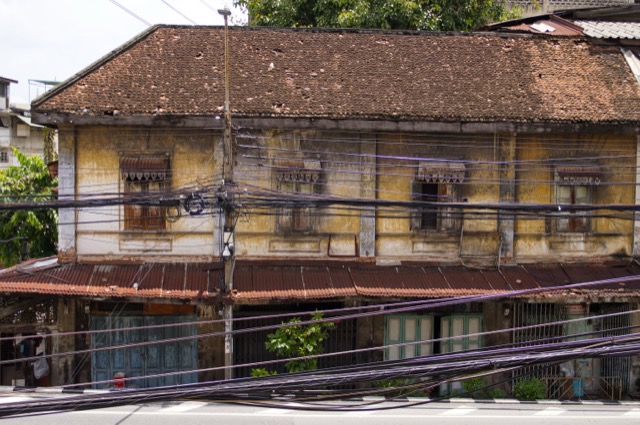
ตึกแถวแถวนี้ตั้งอยู่บนถนนบำรุงเมือง ใกล้กับสะพานสมมตอมรมารค ด้านหน้าอาคารยังคงเป็นเครื่องเตือนใจถึงแถวตึกแถวที่เคยเรียงรายอยู่ริมคลองหลายแห่งของกรุงเทพฯ
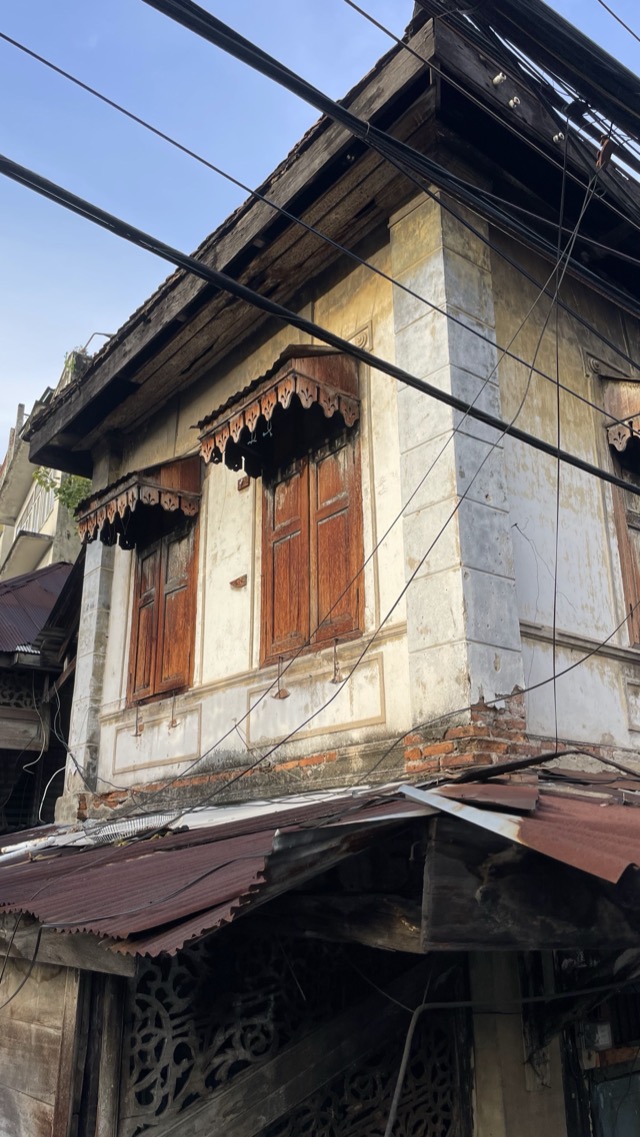
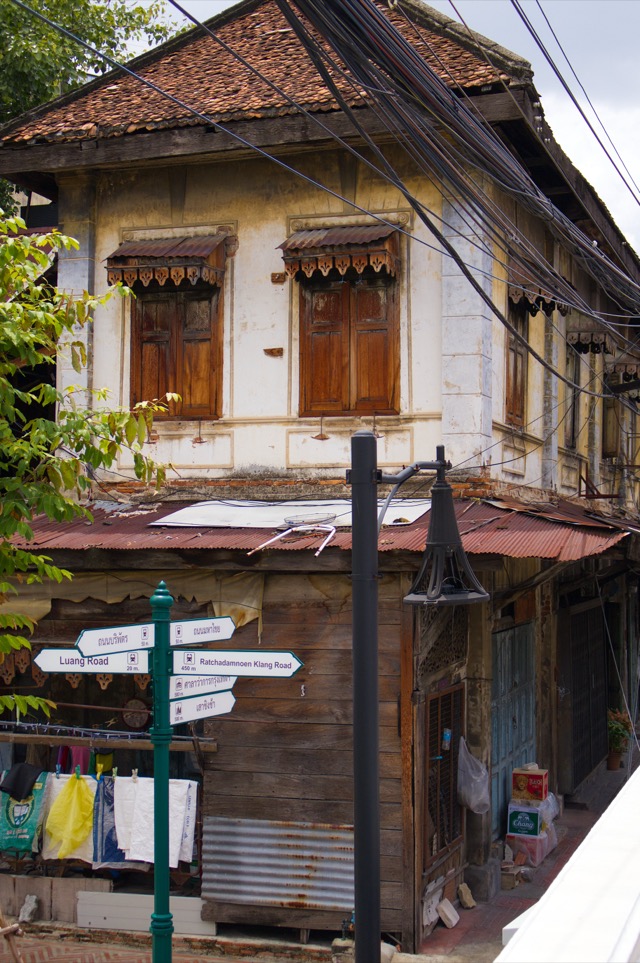
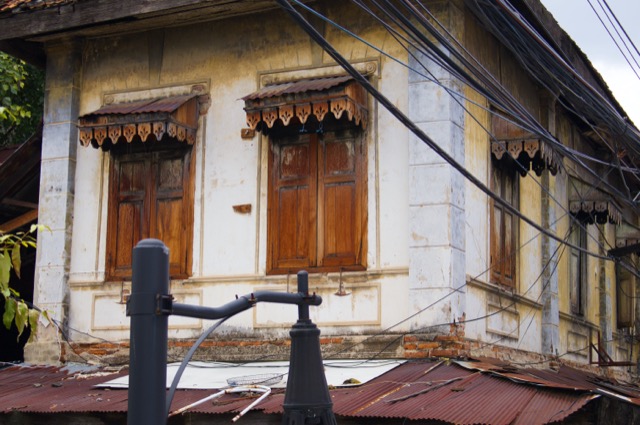
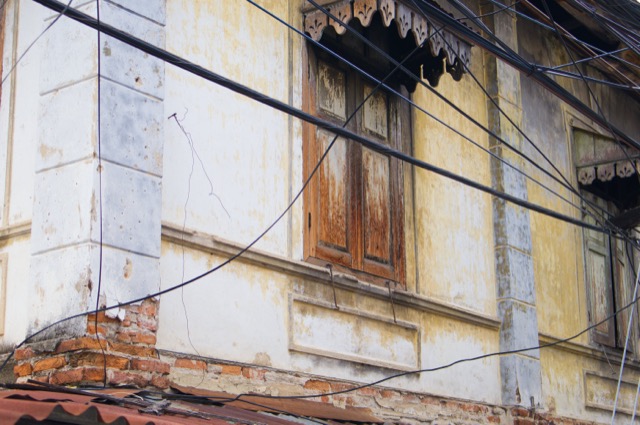
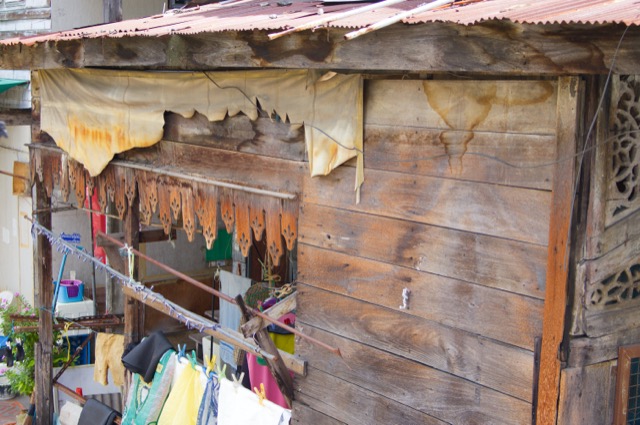
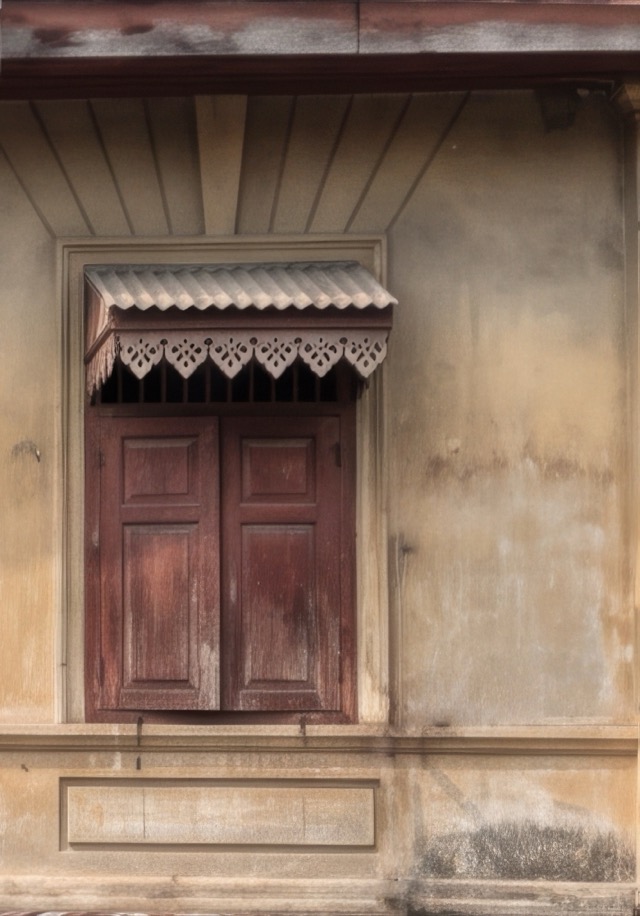
กันสาดไม้ฉลุแบบนี้ได้รับความนิยมในสมัยรัชกาลที่ 5 เป็นที่ชื่นชอบด้วยลวดลายแกะสลักด้วยมือแบบ “ขนมปังขิง” อันประณีต — งานฝีมือที่ปัจจุบันหาชมในสภาพสมบูรณ์ได้ยากขึ้นเรื่อยๆ เป็นไปได้ว่ากันสาดนี้อาจถูกติดตั้งเพิ่มภายหลังจากที่ตัวอาคารสร้างเสร็จแล้ว เนื่องจากลวดลายประดับหน้าต่างด้านล่างถูกกันสาดบดบังบางส่วน ซึ่งดูจะเป็นการออกแบบที่แปลกหากทั้งสองส่วนสร้างขึ้นพร้อมกัน แต่ก็ยังไม่มีข้อสรุปที่ชัดเจน
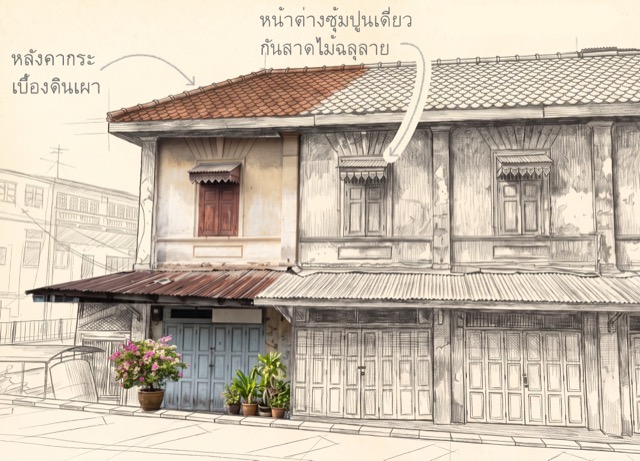
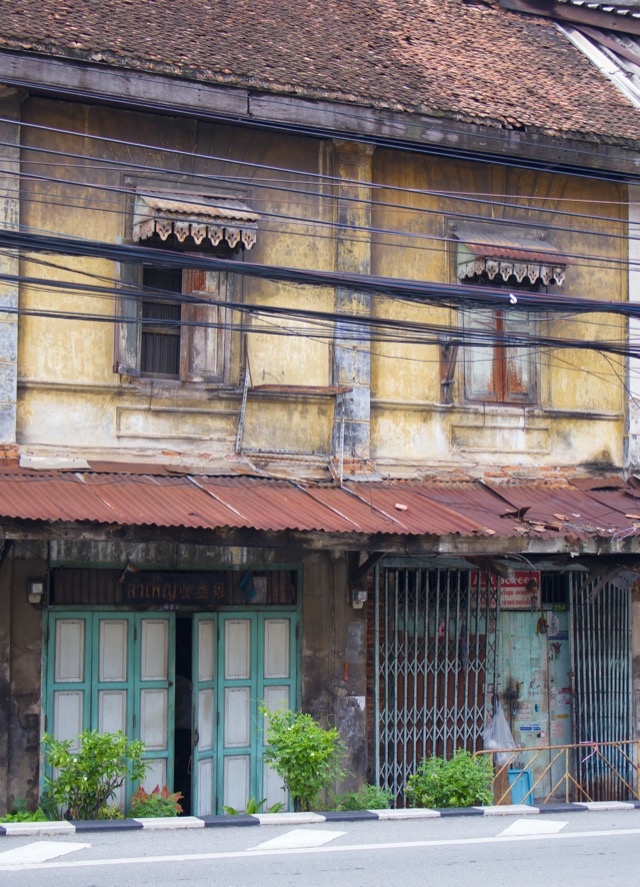
ต่างจากตึกแถวบางสไตล์ที่มีช่องหน้าต่างหลายบานต่อหนึ่งคูหา ตึกแถวทั้งสี่คูหาตลอดแนวนี้ใช้หน้าต่างโค้งปูนปั้นเพียงบานเดียวต่อคูหา โดยมีกันสาดไม้ฉลุและแผ่นหลังคาโลหะลูกฟูกด้านบนช่วยกันแดดกันฝนเพิ่มเติม
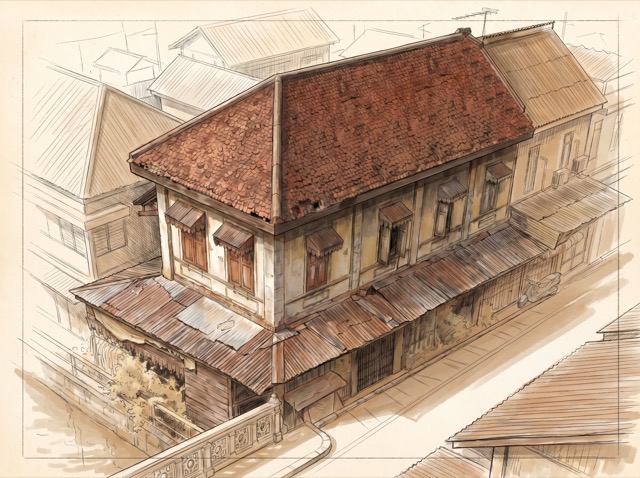
ตึกแถวหลังนี้ดูเหมือนจะยังคงกระเบื้องหลังคาดินเผาดั้งเดิมไว้ เรียงซ้อนกันเป็นแนวจนเกิดลวดลายคล้ายเกล็ดปลา ซึ่งเป็นเทคนิคที่รู้จักกันในชื่อกระเบื้องเกล็ดปลา กระเบื้องดินเผาแบบนี้เป็นตัวเลือกที่ใช้งานได้จริงและเป็นที่นิยมในยุคนั้น ทนทานต่อความร้อนและฝนในฤดูมรสุมของกรุงเทพฯ ทั้งยังให้พื้นผิวหลังคาที่มีเอกลักษณ์ ซึ่งยังคงพบเห็นได้บนตึกแถวที่หลงเหลืออยู่จนถึงทุกวันนี้
This shophouse row sits on Bamrung Mueang Road near the Sommot Amon Mak bridge, its facade a reminder of the shophouse rows that once lined many of Bangkok’s canal-side streets.
This kind of wooden fretwork awning grew popular during King Rama V’s reign, prized for its delicate hand-carved “gingerbread” detailing — decorative work that’s since become rare to find still intact. It’s possible the awning was added sometime after the building’s original construction — the window decoration beneath it sits partially obscured, an odd choice if both were built together, though this hasn’t been confirmed.
Unlike shophouse styles built with several window openings per unit, each of the four units along this row uses only one arched stucco window — its wooden fretwork awning topped with a corrugated metal canopy for extra weather protection.
The shophouse appears to still carry its original terracotta roof tiles, laid in overlapping rows that form a scalloped, fish-scale pattern — a technique known locally as krabuang klet pla (กระเบื้องเกล็ดปลา). Fired clay tiles in this style were a common, practical choice for the period: durable against Bangkok’s heat and monsoon rains, while giving the roofline a distinctive textured silhouette still visible on surviving shophouses today.