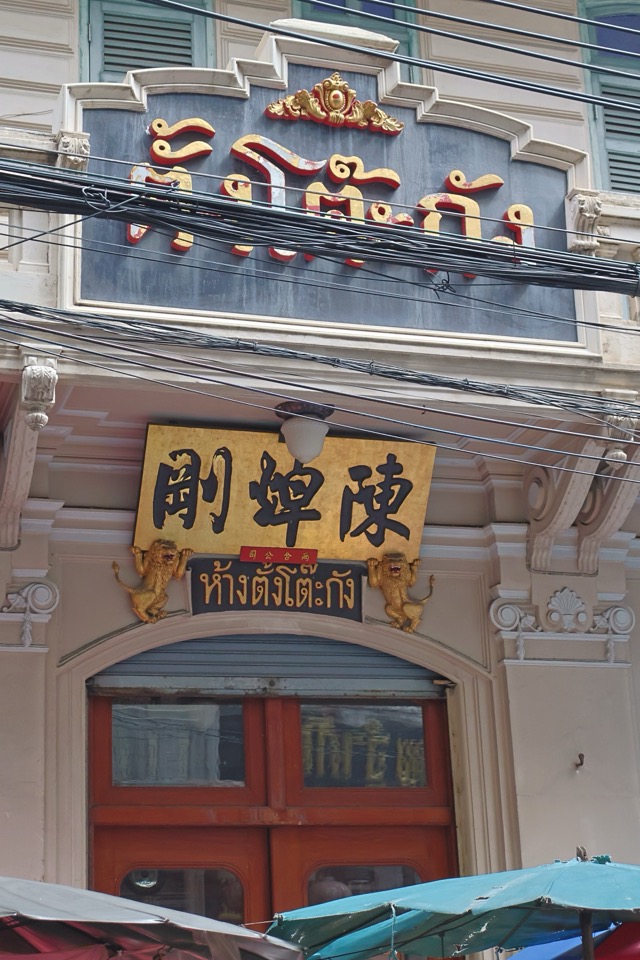
ตั้งโต๊ะกัง
Tang Toh Kang
ภาพรวม
Overview
ซ. วานิช 1 เขตสัมพันธวงศ์
Soi Vanich 1, Samphanthawong, Bangkok
ร้านทองเก่าแก่ในอาคารตึกแถวสไตล์จีนบนซอยวานิช 1 ย่านตลาดน้อยริมแม่น้ำเจ้าพระยา
A historic gold shop housed in a Chinese-style shophouse on Soi Vanich 1, in Bangkok's old Talat Noi riverside quarter.
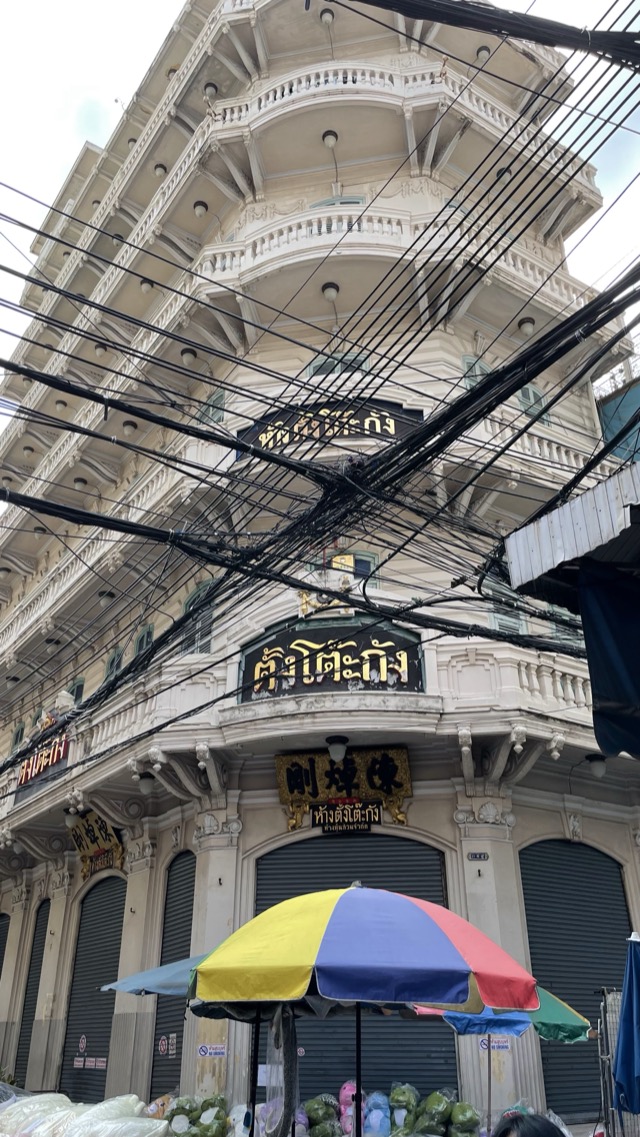
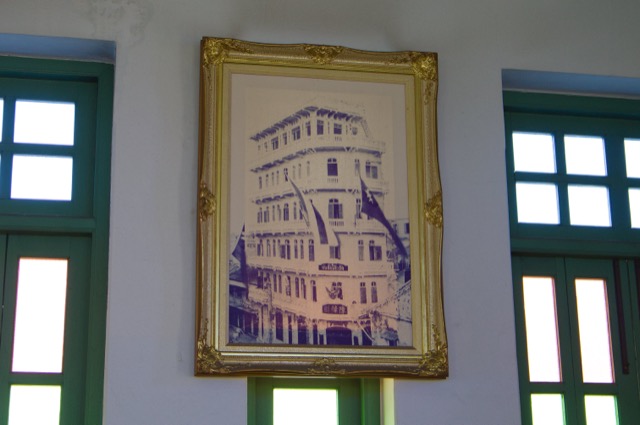
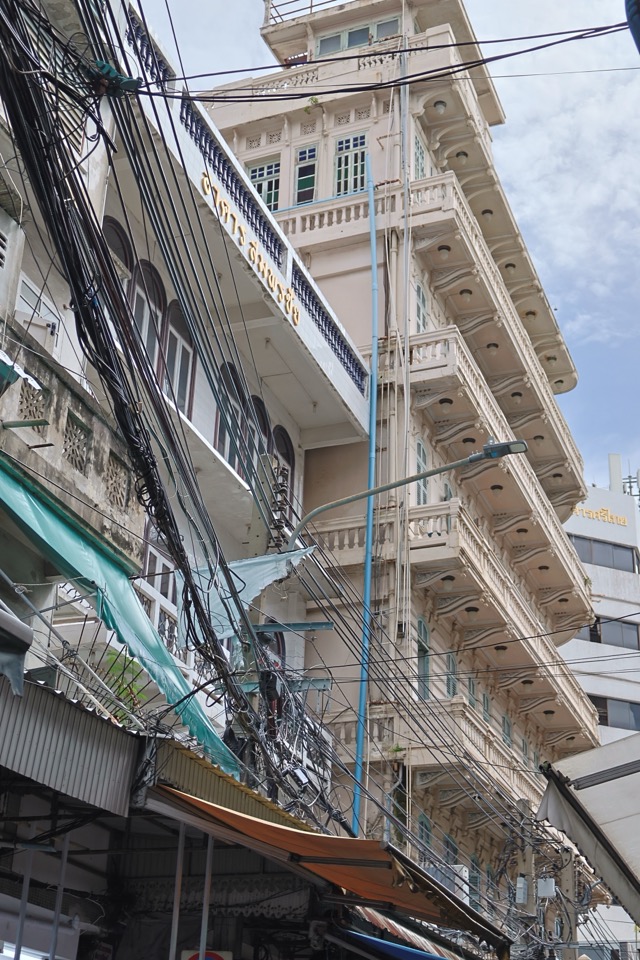
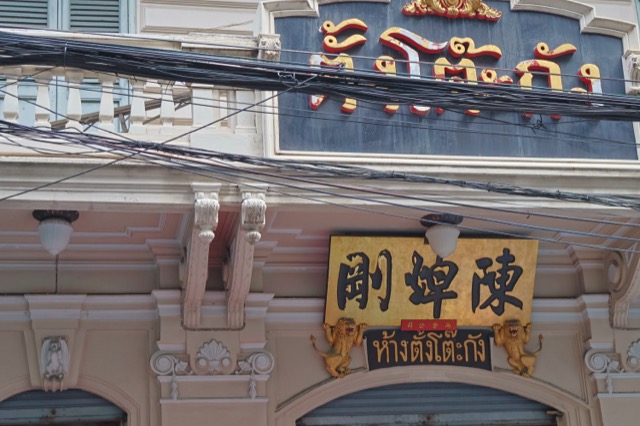
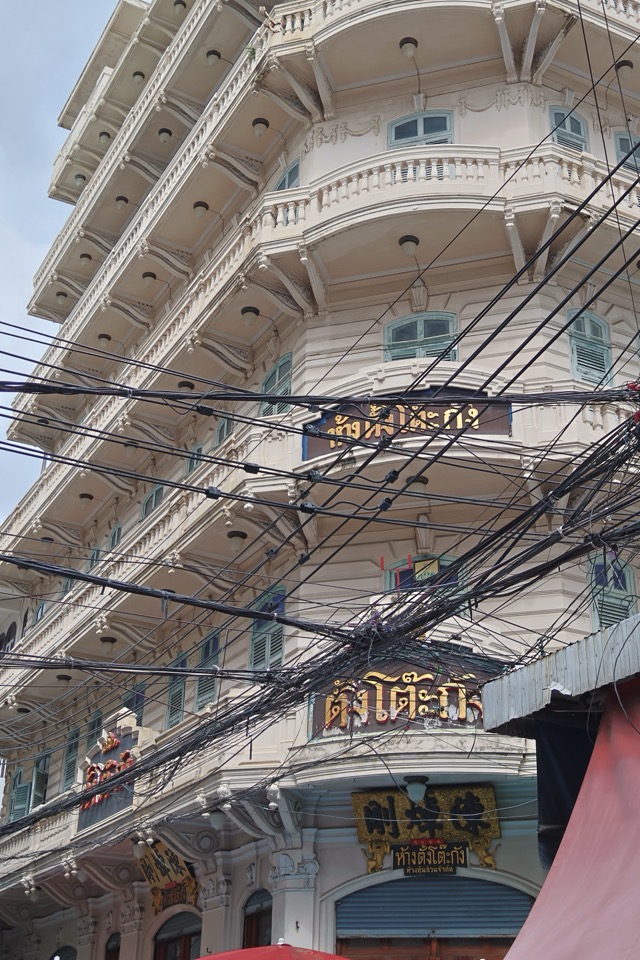
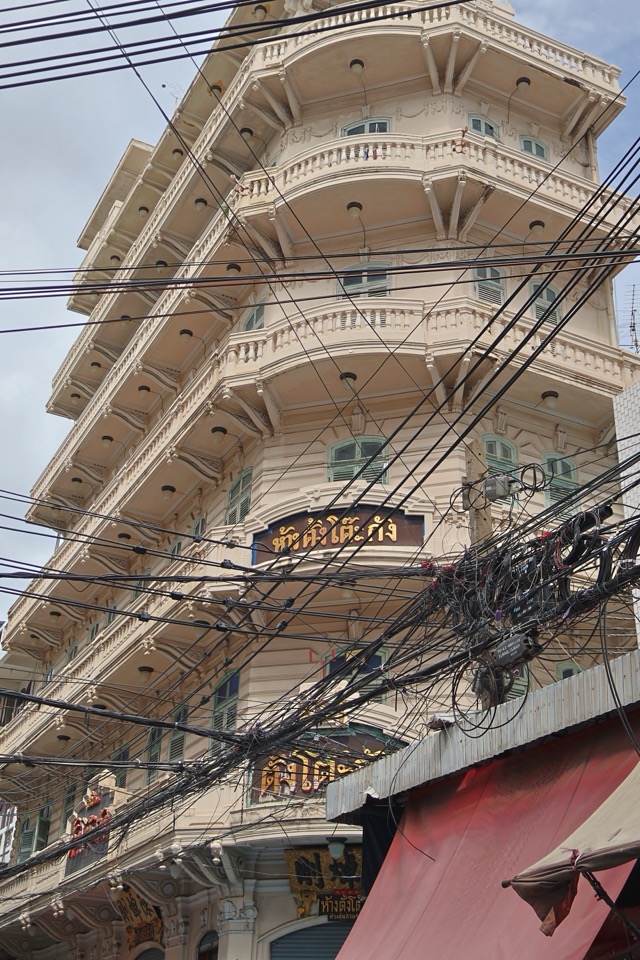
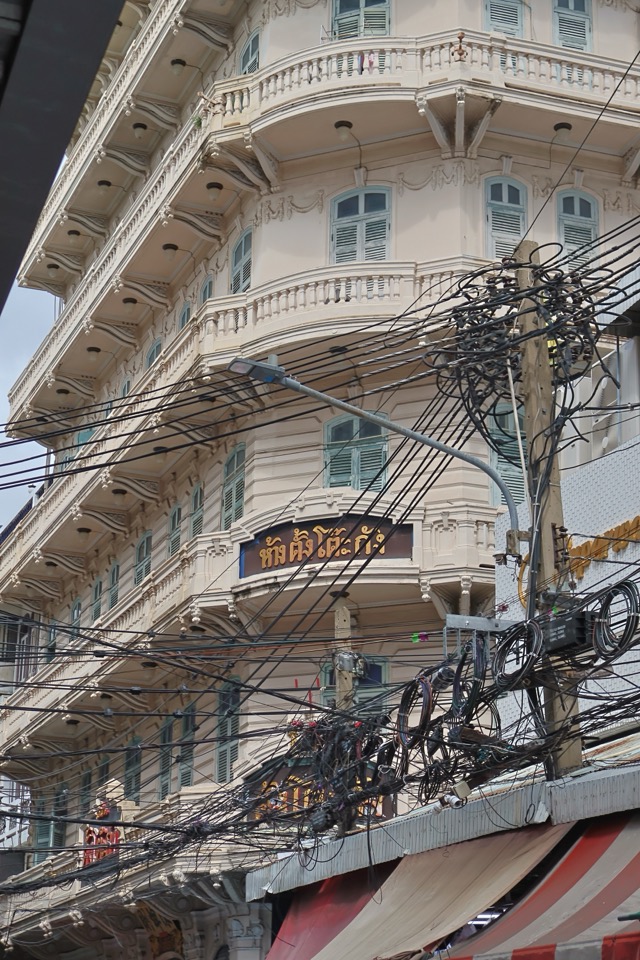
ห้างทองตั้งโต๊ะกัง ค้าขายทองคำจากอาคารหลังนี้มาตั้งแต่ทศวรรษ 1920 อาคารสร้างขึ้นในรัชสมัยพระบาทสมเด็จพระมงกุฎเกล้าเจ้าอยู่หัว (รัชกาลที่ 6) ในสถาปัตยกรรมสไตล์ยุโรปฟื้นฟูขั้นสูงผสมผสานอิทธิพลแบบจีน-โปรตุเกส ออกแบบโดยสถาปนิกชาวดัตช์
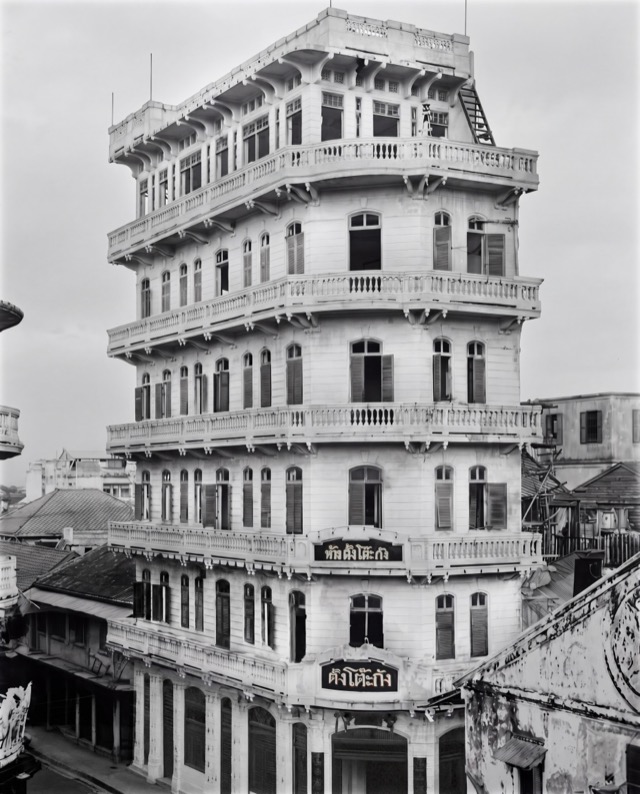
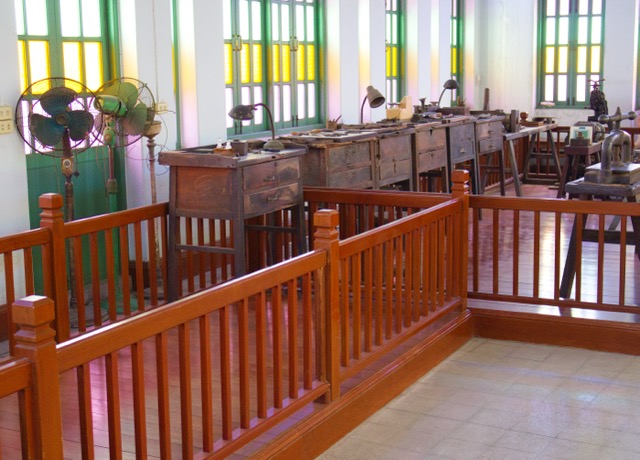
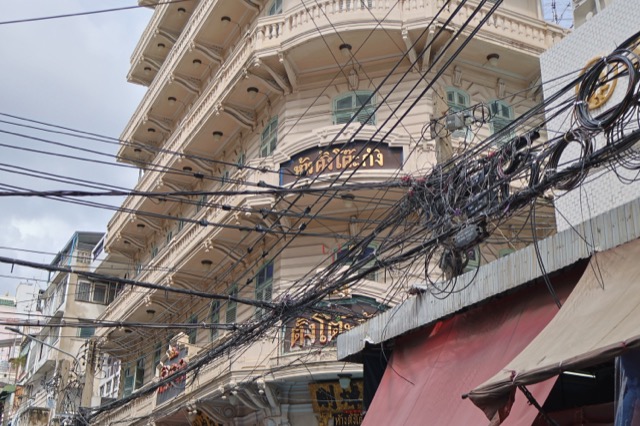
ด้วยความสูงเจ็ดชั้น อาคารนี้เป็นหนึ่งใน “ตึกสูง” แห่งแรก ๆ ของย่านเยาวราช สร้างขึ้นโดยเฉพาะเพื่อรวมโรงงานช่างทอง พื้นที่ค้าปลีก และสำนักงานผู้บริหารไว้ในที่เดียวกัน เสาโครงสร้างหนาที่ระดับถนนช่วยยึดพื้นที่จัดแสดงสินค้าอย่างปลอดภัยสำหรับธุรกิจค้าทองที่ยังคงเปิดดำเนินการอยู่ที่ชั้นล่างจนถึงทุกวันนี้
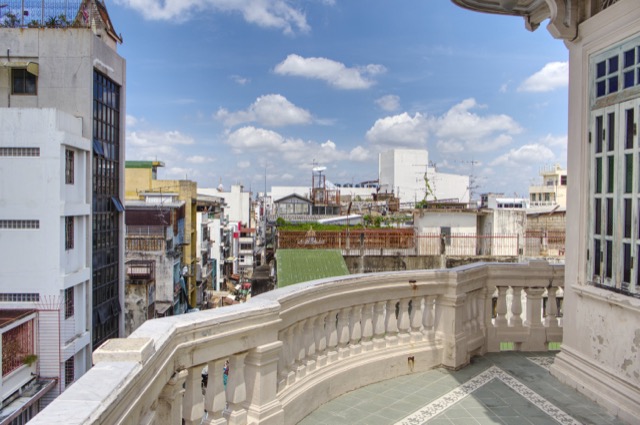
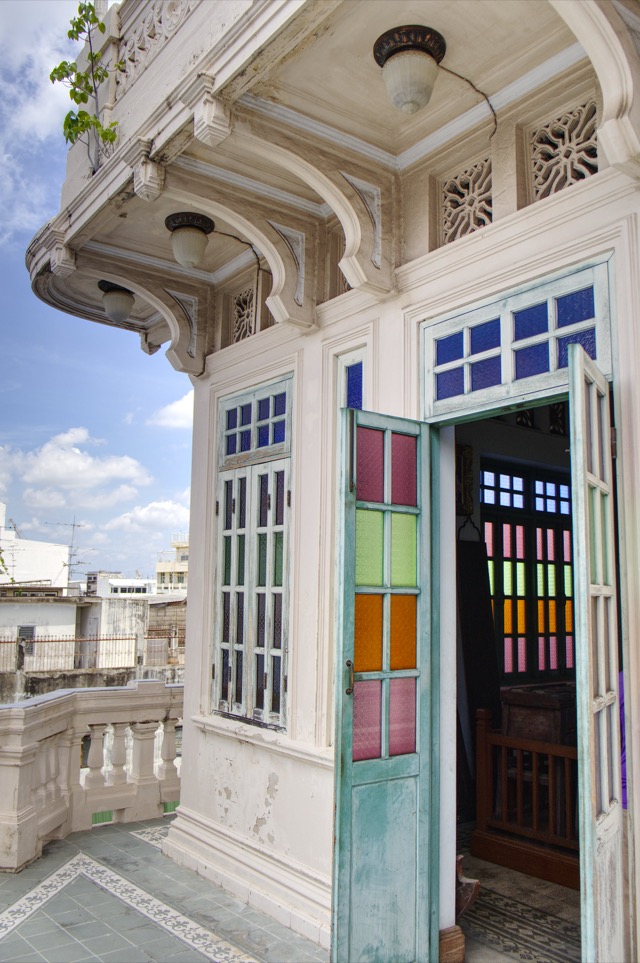
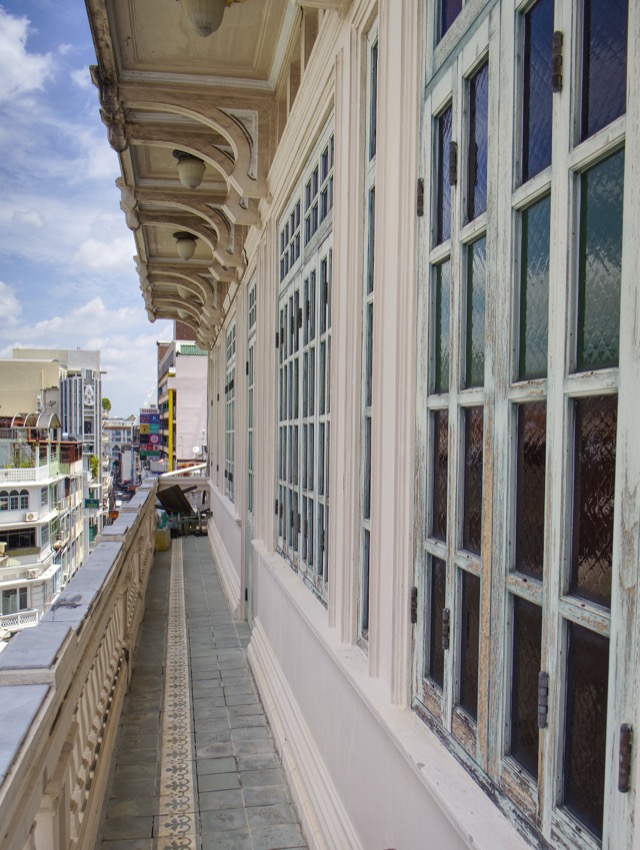
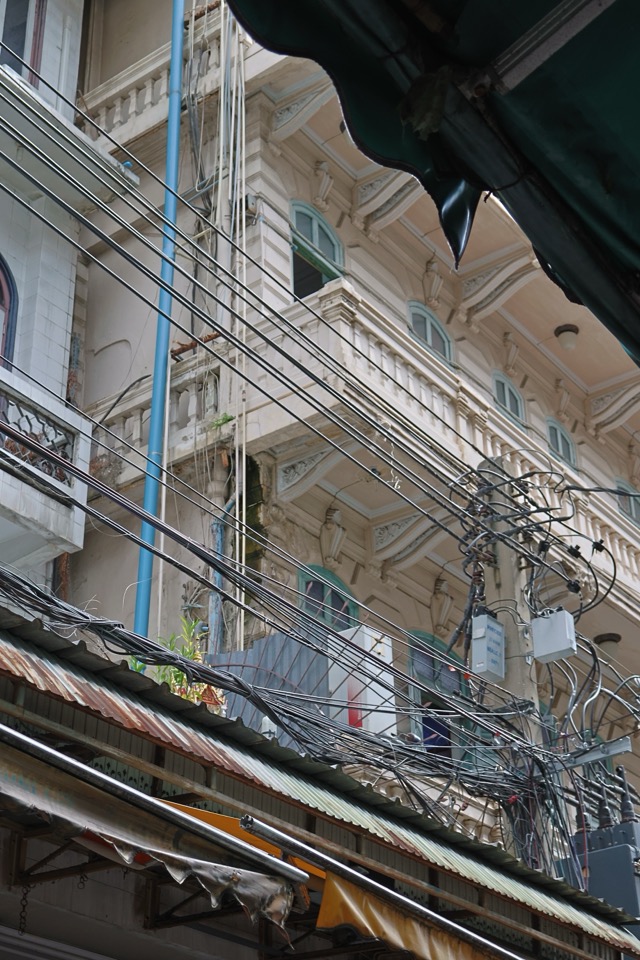
ด้านหน้าอาคารประกอบด้วยเสาก่ออิฐขนาดใหญ่ ช่องหน้าต่างโค้ง และคานประตูปูนปั้นตกแต่งที่ล้อมด้วยเสาอิงตลอดแนวชั้นบน หัวเสาตกแต่งด้วยลวดลายใบอะแคนทัสตามแบบคลาสสิกยุโรป ระเบียงชั้นบนตกแต่งด้วยราวลูกกรงคอนกรีตหล่อและแถบบัวคาดแนวนอนที่พาดยาวตลอดด้านหน้าอาคาร
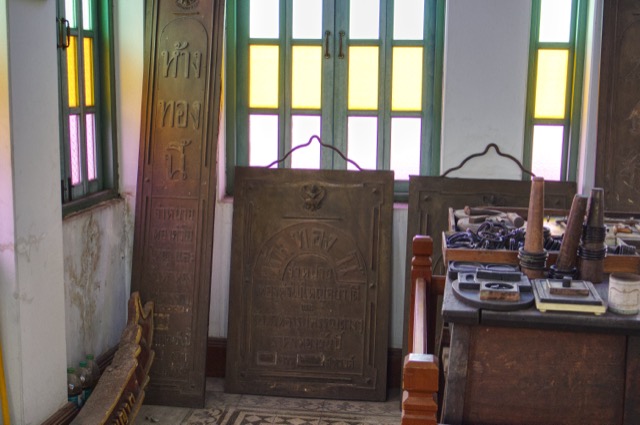
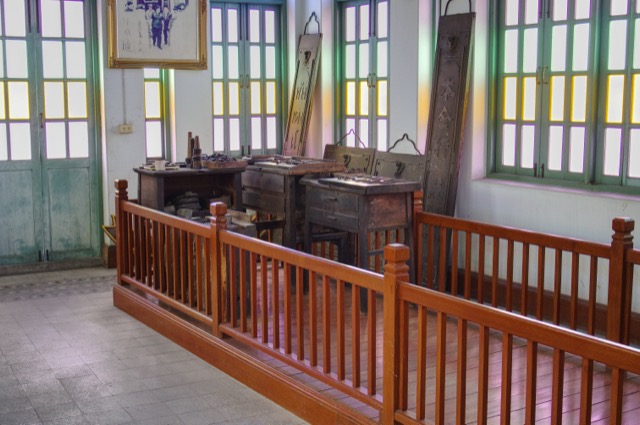
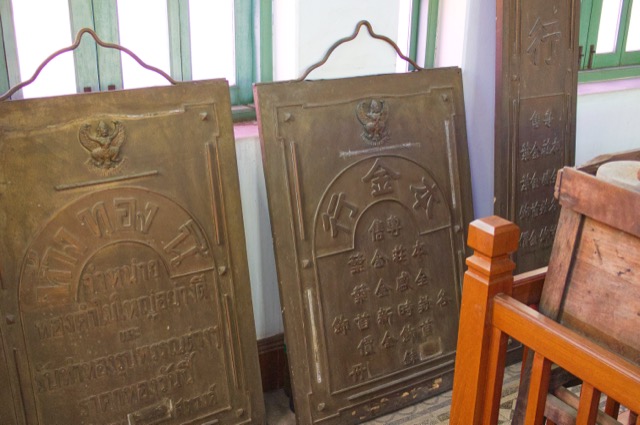
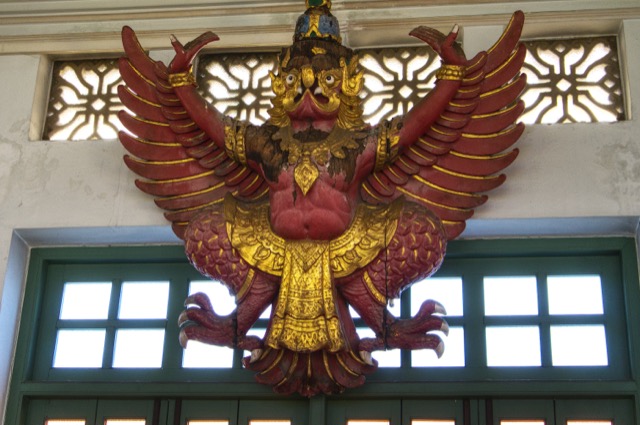
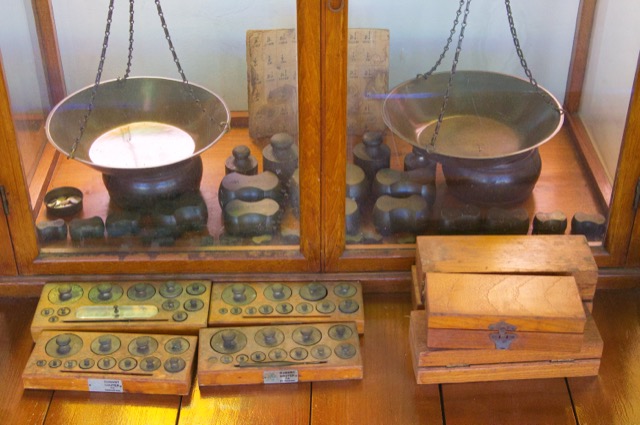
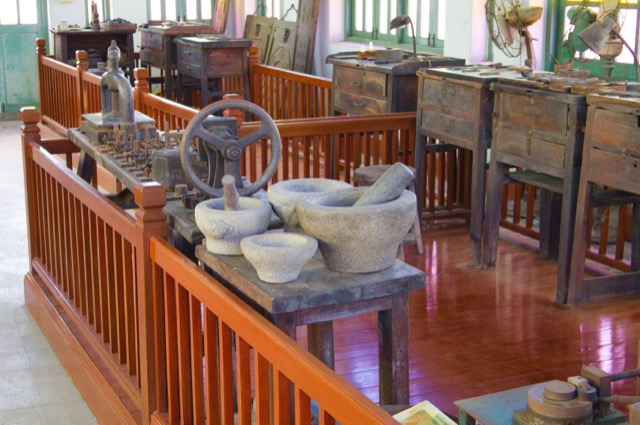
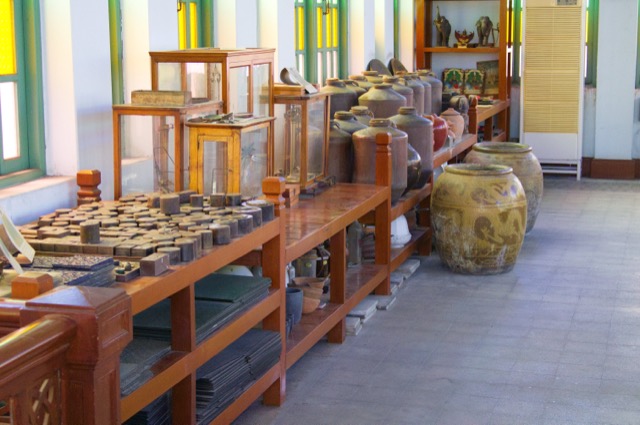
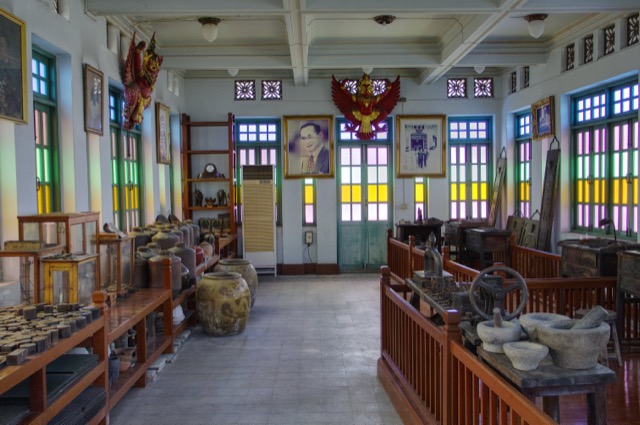
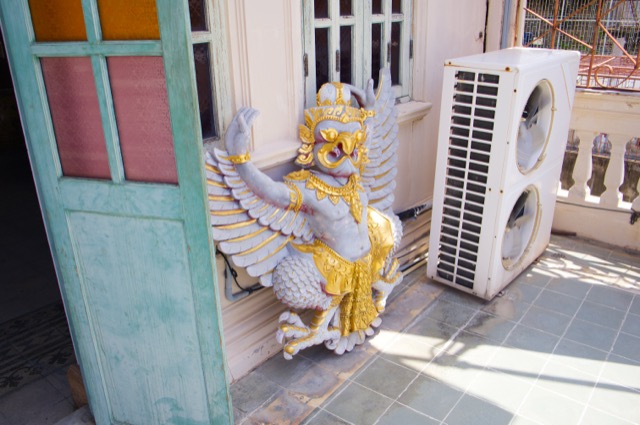
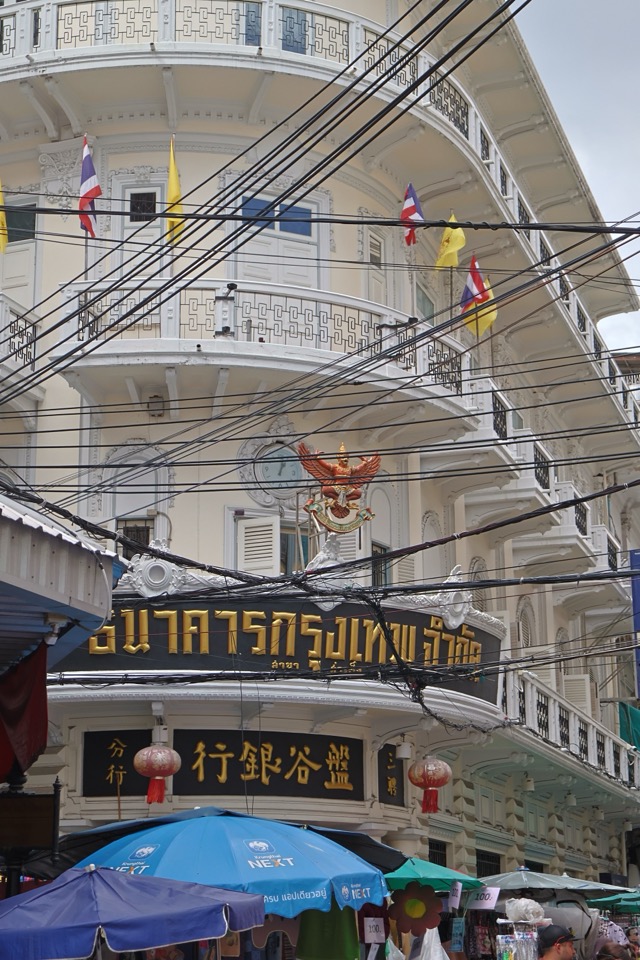
อาคารนี้เคยประดับตราครุฑพระราชทานไว้บนส่วนบนของด้านหน้าอาคาร ซึ่งเป็นเครื่องหมายแสดงถึงการอุปถัมภ์จากราชสำนัก ปัจจุบันตราครุฑดั้งเดิมถูกนำลงมาเก็บรักษาและจัดแสดงไว้ในพิพิธภัณฑ์ของครอบครัวที่ชั้นหก
The Tang Toh Kang Goldsmith (ห้างทองตั้งโต๊ะกัง) has traded gold from this building since the 1920s, when it was built during the reign of King Rama VI in a High European Revival style with strong Sino-Portuguese Colonial influence, designed by a Dutch architect.
At seven storeys, it was one of Chinatown’s earliest “high-rises,” purpose-built to house goldsmithing workshops, retail trade, and executive offices under one roof. Thick structural piers at street level anchor secure display bays for the gold trading business that still operates from the ground floor today.
The facade is arranged with heavy masonry columns, arched window openings, and decorative plaster lintels framed by pilasters across the upper storeys, their capitals detailed with European classical acanthus-leaf motifs. Upper balconies are trimmed with molded concrete balustrades and horizontal cornice bands that run the width of the building’s front.
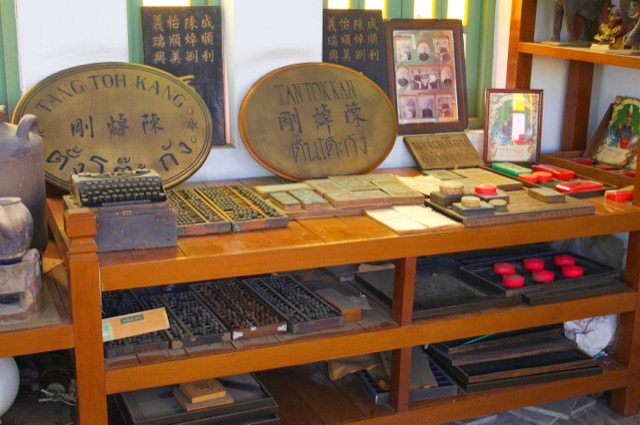
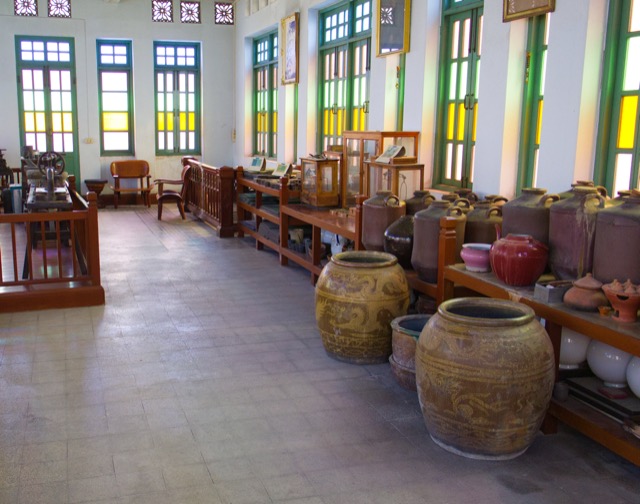
The building once displayed a Royal Garuda Warrant (ตราครุฑ) on its upper facade, a mark of royal patronage; the original emblem has since been taken down and is now preserved on display in a family museum on the sixth floor.